Introduction to Forex Trading Strategies
Welcome to Lesson 16 of our free Forex Trading Course in Miami at Miami Trading School! In prior lessons, you explored forex fundamentals (Lesson 1), currency pairs (Lesson 2), market structure (Lesson 3), Miami’s trading advantages (Lesson 4), terminology (Lesson 5), broker selection (Lesson 6), account types (Lesson 7), IRS filing (Lesson 8), scams (Lesson 9), risk management (Lesson 10), compliance (Lesson 13), and futures vs. CFDs (Lesson 15). Now, we introduce forex trading strategies, including Grid, Martingale, High-Frequency Trading, Scalping, Hedging, Top-Down Analysis, Commitment of Traders reports, and Sentiment Analysis. This lesson is essential for Learn to Trade Miami effectively, preparing you for our Live In-Person Training Miami bootcamp.
Live In-Person Training
ENROLL NOW
Why Trading Strategies Matter
Trading strategies provide structured approaches to navigate the volatile forex market (Lesson 5). They combine technical, fundamental, and sentiment analysis to optimize entries, exits, and risk management (Lesson 10). Each strategy suits different goals, risk tolerances, and time commitments, enabling traders to align with market dynamics (Lesson 3). In Forex Trading Miami, mastering strategies enhances profitability while mitigating risks.
Common Forex Trading Strategies
Below are key forex trading strategies with examples, risks, and considerations for US residents:
- Grid Trading: Places buy and sell orders at fixed price intervals (e.g., every 20 pips) around a central price, profiting from market oscillations. Example: On EUR/USD at 1.1050, set buy orders at 1.1030, 1.1010, and sell orders at 1.1070, 1.1090. Risks: Requires large capital; losses mount in trending markets. Suitable for ranging markets but risky for beginners.
- Martingale: Doubles position size after a loss to recover losses with a single win. Example: Lose 1 micro lot on USD/JPY at 145.00; double to 2 micro lots next trade. Risks: High drawdown; can deplete accounts in losing streaks. Not recommended for novices due to extreme risk.
- High-Frequency Trading (HFT): Uses algorithms for rapid, automated trades to capture small price movements. Example: An algo trades USD/CAD 50 times in a minute, profiting 0.1 pips per trade. Risks: Requires advanced technology and low-latency platforms; restricted by some prop firms (Lesson 14). US residents need offshore brokers for HFT.
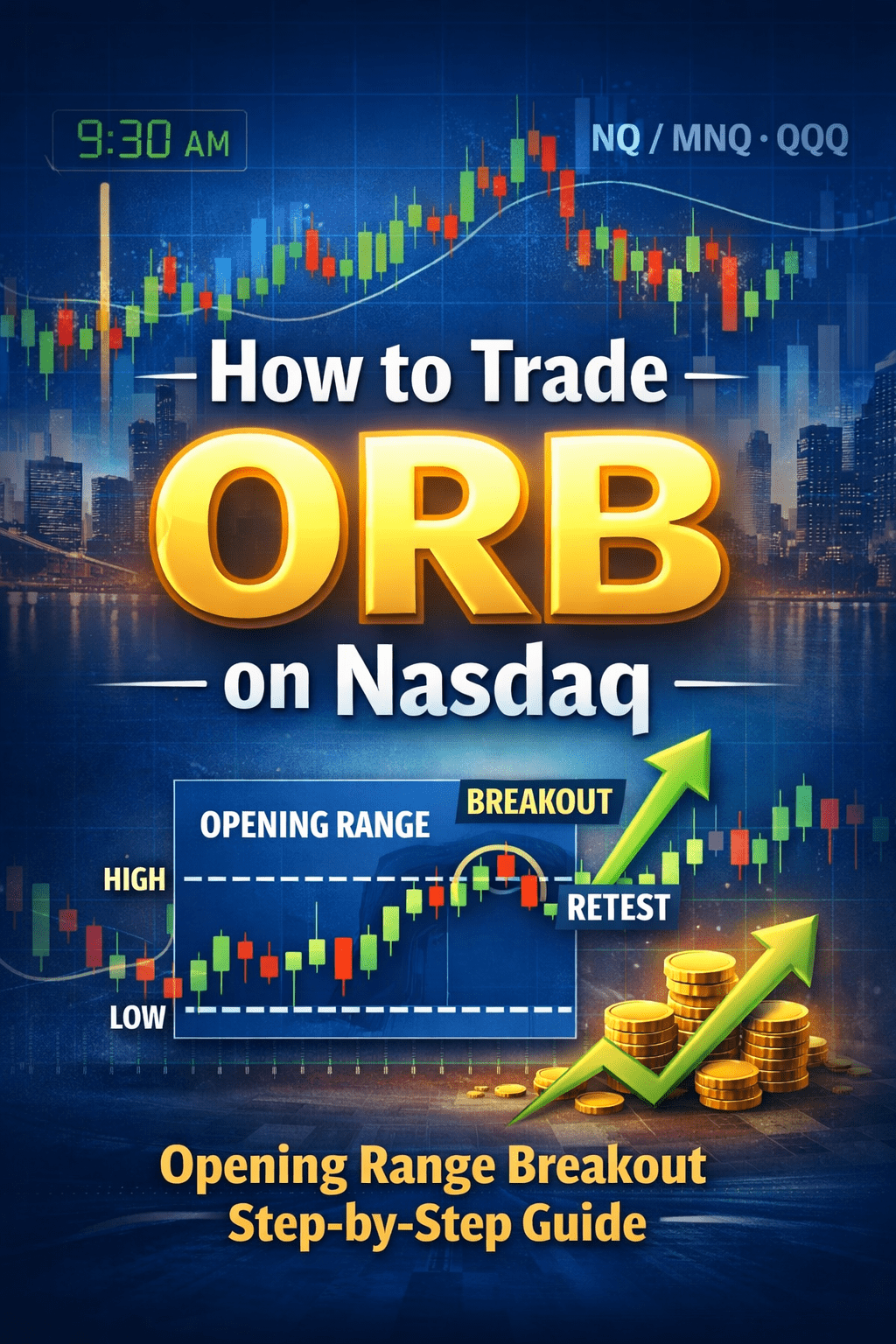
- Scalping: Targets small, frequent profits (1-5 pips) with quick trades. Example: Buy EUR/USD at 1.1050, sell at 1.1053 during London session (Lesson 3). Risks: High transaction costs; demands focus. Suitable for disciplined traders using low-spread brokers like OXSecurities.
- Hedging: Opens opposing positions to reduce risk. Example: Buy 1 lot EUR/USD, sell 1 lot to offset losses. Risks: Not allowed with US-regulated brokers (Lesson 13); complex to manage. Offshore brokers or futures prop firms (Lesson 14) enable hedging.
- Top-Down Analysis: Analyzes macro to micro levels (global economy, then charts). Example: Assess US interest rates, then check EUR/USD daily charts for trends. Risks: Time-intensive; requires broad knowledge. Ideal for fundamental traders.
- Commitment of Traders (COT) Reports: Analyzes CFTC reports on institutional positions. Example: If COT shows institutions shorting USD, sell USD/JPY. Risks: Lagging data; complex interpretation. Useful for long-term strategies.
- Sentiment Analysis: Gauges market mood via news or social media. Example: Negative US jobs data (Lesson 2) weakens USD; short USD/CAD. Risks: Subjective; needs confirmation with technicals. Complements other strategies.
Each strategy requires risk management (Lesson 10) and testing on demo accounts (Lesson 6) to align with your goals. In Forex Training in Miami, our Forex Mentorship Program helps you refine these approaches.
Considerations for US Residents
US residents face CFTC/NFA restrictions (Lesson 13), limiting strategies like hedging and HFT with regulated brokers (Lesson 6). Futures prop firms (Lesson 14) allow hedging and algo trading, suitable for strategies like COT or Top-Down Analysis. Offshore brokers enable CFD trading and high leverage for Scalping or Martingale, but carry risks (Lesson 9). Tax implications (Lesson 8) differ: futures (Section 1256, 60/40 split) vs. CFDs/spot forex (Section 988, ordinary income). Beginners should start with Scalping or Top-Down Analysis on regulated brokers, while advanced traders may explore futures or offshore CFDs with caution.
Example: A Miami trader uses Scalping on EUR/USD, buying at 1.1050 and selling at 1.1055 during the London-New York overlap, risking 1% per trade with a 10-pip stop loss. Alternatively, they use COT reports to short USD/JPY after institutional selling signals, hedging with a futures prop firm.
Trade with the #1 Broker: OXSecurities
Ready to start trading? Choose OXSecurities, the #1 broker for Forex Trading Miami. With competitive spreads, reliable execution, and a user-friendly platform, OXSecurities is trusted by traders worldwide. Their compliance with regulations ensures safety, making them the perfect partner for your trading journey. Click here to open an account and start trading with confidence!
Strategies in Miami’s Trading Scene
Miami’s vibrant trading community (Lesson 4) is ideal for exploring strategies. Traders discuss Scalping during high-liquidity sessions or COT reports for long-term plays, using terms like pip and leverage (Lesson 5). Our Live In-Person Training Miami bootcamp applies these strategies in real-world scenarios, enhancing your skills.
Why Learn with Miami Trading School?
At Miami Trading School, we make forex trading accessible. Our free Forex Trading Course in Miami builds a strong foundation, while our Forex Mentorship Program offers personalized coaching. Miami’s vibrant trading community is the perfect place to Learn to Trade Miami.
Want to Learn More Strategies?
This lesson introduces key strategies, but there’s much more to explore. To deepen your understanding of advanced techniques and apply them in live markets, join us at our Live In-Person Training Miami bootcamp. Our expert mentors will guide you through hands-on exercises to master strategies tailored to your goals.
What’s Next in Your Forex Journey?
Great job completing Lesson 16! In Lesson 17, we’ll explore technical analysis, building on strategies (Lesson 16) and terminology (Lesson 5). Keep following our Forex Trading Course in Miami to build your skills. Ready to accelerate your learning? Join our Live In-Person Training Miami bootcamp for hands-on experience and expert mentorship. Enroll in the Best Miami Trading Course today!
Disclaimer
The information provided in this lesson is for educational purposes only and does not constitute financial or tax advice. We are not Certified Public Accountants (CPAs) or financial advisors. Forex trading involves significant risks and is subject to change. Always consult a licensed accountant or financial advisor to ensure compliance with regulations and to tailor strategies to your specific situation.
Join Our Forex Bootcamp